Daylight saving time ends at 2 a.m. local time on Sunday, November 1, under the federal schedule described by the National Institute of Standards and Technology. In places that observe the change, 2 a.m. becomes 1 a.m., repeating that hour.
The rule ends daylight saving time on the first Sunday in November and starts it on the second Sunday in March. November 1 is the first Sunday of November in 2026. The autumn change shifts daylight back toward the morning rather than creating an additional hour of sunlight.
NIST says Hawaii, American Samoa, Guam, Puerto Rico and the U.S. Virgin Islands do not observe daylight saving time. Most of Arizona also does not observe it, while the Navajo Indian Reservation is an exception within the state.
Those differences matter for travel and calls across time zones. A clock change in one place does not mean every relative, business or appointment in another state changes at the same moment or follows the same seasonal rule.
NIST distributes Coordinated Universal Time, while computer operating systems apply time-zone and daylight-saving adjustments. The institute advises keeping systems updated so the local conversion follows the correct rules.
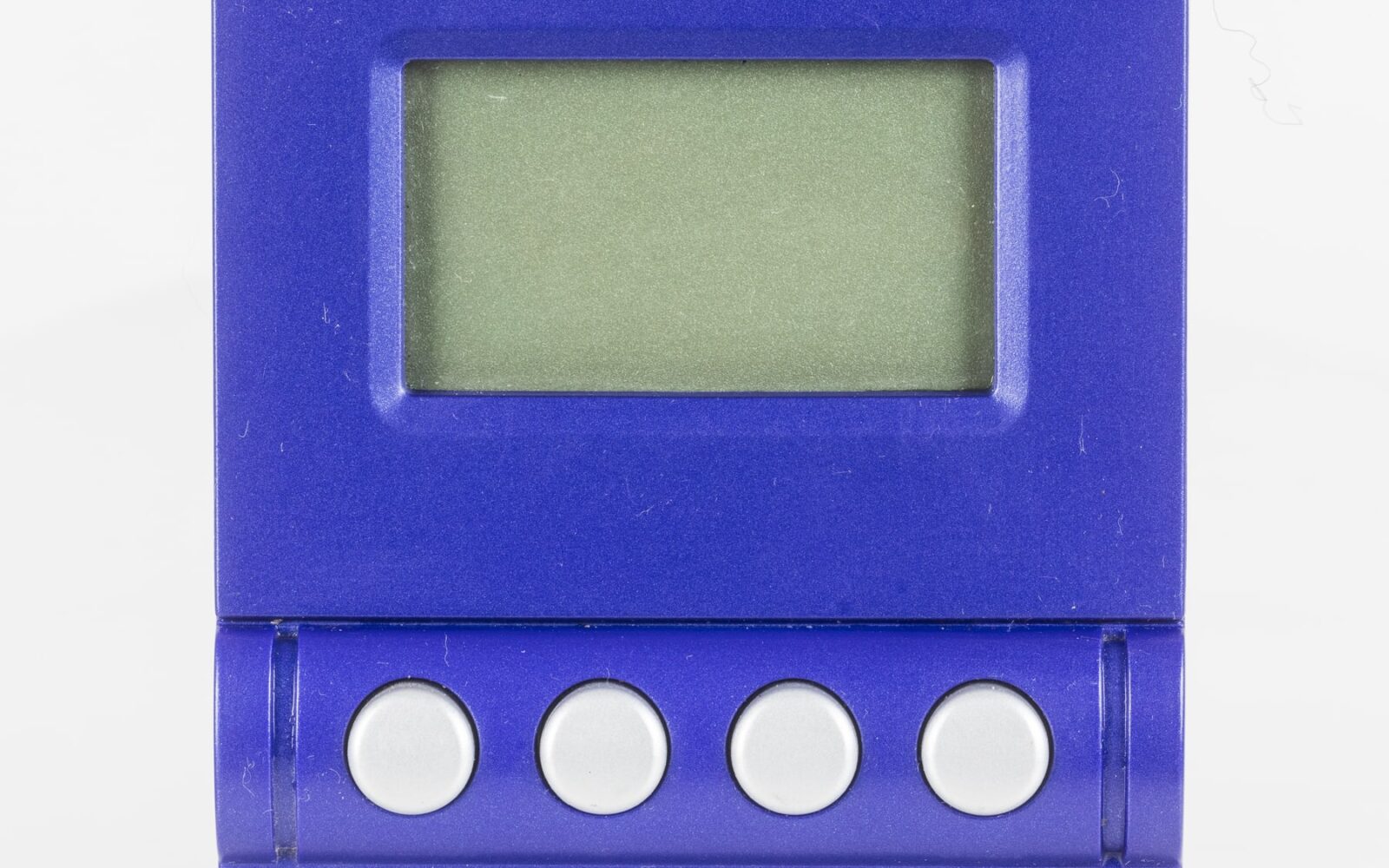
Radio-controlled clocks generally receive daylight-saving information in the time signal, but a wrong time-zone setting or a failure to receive the signal can still cause an error. Some older clocks have outdated date rules programmed into their firmware and may need manual adjustment or manufacturer guidance.